

sri sai divya pooja telugu pdf
Sri Sai Divya Pooja Telugu PDF: A Comprehensive Guide
Numerous Telugu PDF resources detail Sri Sai Divya Pooja, ranging from 15 to 19 pages. These guides, alongside Sri Venkateswara pooja materials, and Tulasi Puja PDFs, offer devotees accessible spiritual practices.
Sri Sai Divya Pooja, a deeply revered practice amongst devotees of Shirdi Sai Baba, holds significant importance within the Telugu-speaking community. The availability of comprehensive guides in Telugu, often in PDF format, has greatly facilitated access to this sacred ritual for many. These PDFs, varying in length from approximately 15 to 19 pages, provide detailed instructions and mantras for performing the pooja correctly.
The increasing accessibility of these Sri Sai Divya Pooja Telugu PDF resources reflects a growing desire for spiritual connection and a deeper understanding of Sai Baba’s teachings. These documents often include information on preparing the pooja space, the significance of each step, and the proper pronunciation of mantras. Furthermore, they frequently connect the practice to related traditions like Shodasa Gowri Vrathamu Pooja and Tulasi Puja, enriching the devotional experience. The digital format ensures wider dissemination and preservation of this cherished practice.
The Significance of Pooja in Telugu Tradition
Pooja, deeply ingrained in Telugu culture, represents a sacred offering and communion with the divine. It’s a multifaceted practice encompassing rituals, mantras, and devotional expressions, believed to invoke blessings and purify the mind. The Telugu tradition emphasizes meticulous preparation and heartfelt devotion during pooja ceremonies.
The rise in popularity of Sri Sai Divya Pooja Telugu PDF guides demonstrates a desire to integrate Sai Baba worship within this established framework. These PDFs provide accessible instructions, allowing devotees to perform the pooja with authenticity and reverence. Connecting Sri Sai Divya Pooja with practices like Sri Venkateswara Pooja and Tulasi Puja highlights the syncretic nature of Telugu spirituality. The availability of these resources ensures the continuation and accessibility of these vital traditions for future generations, fostering a stronger connection to faith.
Understanding the Divine Aspects of Shirdi Sai Baba
Shirdi Sai Baba is revered as a multifaceted spiritual figure, embodying elements of Hinduism, Islam, and universalism. Devotees perceive Him as a Sadguru, a compassionate guide leading souls towards self-realization. The Sri Sai Divya Pooja Telugu PDF resources often reflect this inclusive understanding, incorporating elements appealing to diverse backgrounds.
The Sri Sai Chalisa, frequently referenced alongside these PDFs, explores Baba’s origins and identity, acknowledging interpretations of Him as an incarnation. His teachings emphasized Shraddha (faith) and Sabka Malik Ek (God is one), resonating deeply within the Telugu devotional context. The pooja itself is seen as a means to connect with Baba’s divine energy, fostering inner peace and spiritual growth. These PDFs aim to facilitate that connection, providing a pathway to experience Baba’s grace.
Components of the Sri Sai Divya Pooja Kit
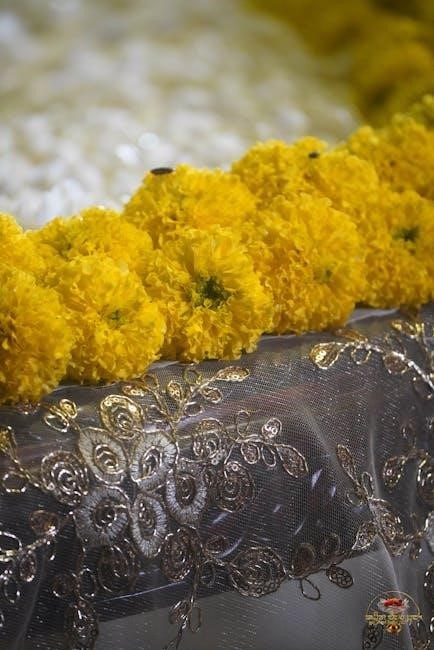
Sri Sai Divya Pooja kits, detailed within the Telugu PDF guides, typically include essential items for a complete ritual. These commonly feature a photograph or idol of Shirdi Sai Baba, incense sticks (agarbatti), camphor (karpooram), and a diya (oil lamp).
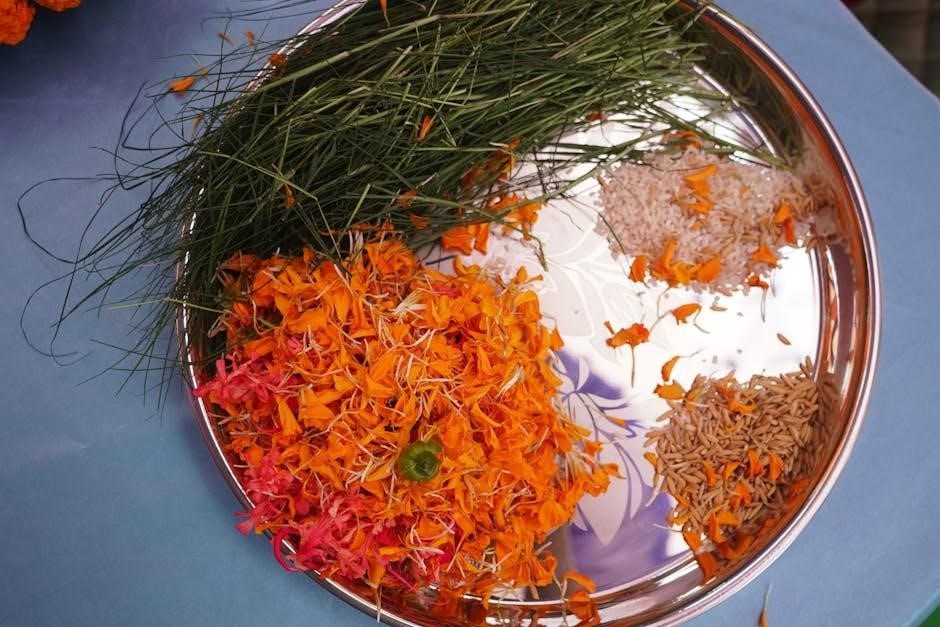
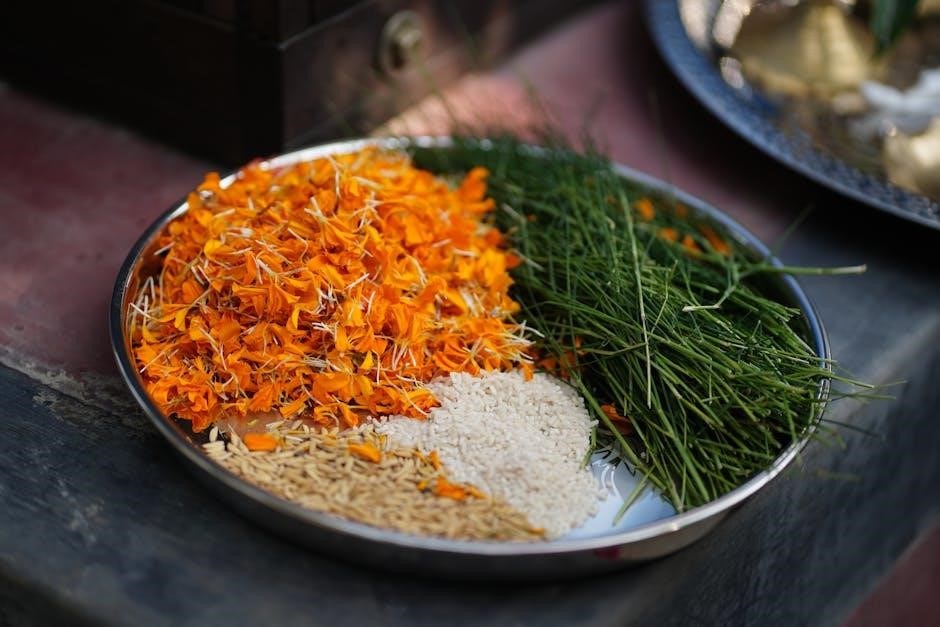
Naivedyam ingredients – often sweets or fruits – are crucial, as offering food symbolizes devotion. Flowers, especially marigolds, and sacred threads (kalava) are also standard. The Telugu PDF resources often specify quantities and preferred types of each item. Some kits may include a Sri Sai Chalisa booklet and instructions for performing the aarti.
Furthermore, the PDFs highlight the importance of a clean pooja space and a copper plate (thali) for offerings, ensuring a respectful and focused devotional practice.
Detailed Steps of Performing the Pooja
Sri Sai Divya Pooja, as outlined in the Telugu PDF guides, begins with meticulous preparation. First, cleanse the pooja space and arrange the kit components. Invocation and Dhyana (meditation) are central, focusing on Shirdi Sai Baba’s divine form.
The Telugu PDF details specific mantras – often the Sai Ashtotram or Sai Gayatri – to be chanted during the pooja. Naivedyam (sacred food) is then offered with devotion, followed by waving the Aarti lamp clockwise around Baba’s image.
The guides emphasize sincere intention and faith throughout. Concluding with a prayer for blessings and distributing prasad (blessed food) completes the ritual. Variations exist, but the core steps remain consistent across different traditions detailed in the PDFs.
Preparation and Setting up the Pooja Space
Sri Sai Divya Pooja, according to the Telugu PDF guides, necessitates a clean and sacred space. Begin by thoroughly cleaning the area where the pooja will be performed. A small table or platform is typically used, covered with a clean cloth – often red or yellow, symbolizing auspiciousness.
Arrange the Sri Sai Divya Pooja kit components neatly: Baba’s image or idol, incense sticks, camphor, flowers, fruits, sweets for Naivedyam, and a lamp. Ensure sufficient space for devotees to sit comfortably.
The PDF guides often suggest drawing a simple rangoli (kolam) design to further purify the space. Finally, place a kalasha (pot filled with water and topped with mango leaves and a coconut) as a symbol of abundance and divine presence, preparing for the ritual.
Invocation and Dhyana (Meditation)
Sri Sai Divya Pooja, as detailed in the Telugu PDF guides, commences with an invocation to Lord Ganesha to remove obstacles. This is followed by invoking Shirdi Sai Baba, visualizing His divine form and presence. Dhyana, or meditation, is a crucial element.
Close your eyes and focus on Baba’s image, contemplating His teachings of faith and devotion. The PDF resources emphasize focusing on Baba’s compassionate eyes and serene smile. Recite His name silently or aloud, allowing a sense of peace and connection to permeate your being.
This meditative state prepares the mind for the subsequent mantras and offerings. The goal is to create a receptive atmosphere, fostering a deep spiritual connection with Shirdi Sai Baba, as guided by the Telugu instructions.
Mantras Used in Sri Sai Divya Pooja
Sri Sai Divya Pooja Telugu PDF guides detail several mantras central to the ritual; While specific mantras may vary, common recitations include the Sai Ashtottara Shatanamavali – a list of 108 names of Sai Baba – and the Sai Chalisa, a devotional hymn praising His virtues.
The PDF resources often provide transliterations and meanings of the mantras in Telugu, aiding proper pronunciation and understanding. Recitation of “Om Sai Namo Namaya” is frequently emphasized, serving as a core mantra for invoking Baba’s blessings.
Mantras are chanted with devotion and clarity, creating a vibrational energy conducive to spiritual connection. The Telugu guides stress the importance of sincere intention and faith during mantra recitation, believing it amplifies their efficacy.
Offering of Naivedyam (Sacred Food)
Sri Sai Divya Pooja Telugu PDF guides emphasize the significance of Naivedyam – the offering of sacred food – as a gesture of devotion and gratitude to Shirdi Sai Baba. Typically, sweet dishes like laddu, halwa, or fruits are prepared with utmost cleanliness and offered with sincere devotion.
The PDF resources detail the proper procedure, including washing hands, placing the food on a clean plate, and chanting specific mantras while offering it. It’s believed Baba accepted food from all, regardless of caste or creed, symbolizing universal love.
After the offering, the Naivedyam is then distributed as Prasadam – blessed food – among devotees. This act fosters a sense of community and shared spiritual experience. The Telugu guides highlight the importance of offering food with a selfless heart.
Performing Aarti (Waving of Lamps)
Sri Sai Divya Pooja Telugu PDF materials meticulously describe the Aarti ceremony – the waving of lamps – as a crucial element of worship. This ritual symbolizes the offering of light, dispelling darkness and ignorance, and invoking divine presence.
The PDF guides specify the use of a traditional diya (oil lamp) or a camphor flame, waved in a circular motion before the idol or photograph of Shirdi Sai Baba while chanting Aarti songs in Telugu or Hindi. These songs express devotion and praise.
The Telugu resources emphasize the importance of performing Aarti with focused intention and reverence. Devotees often cup their hands over the flame to receive the blessed light, symbolizing the absorption of divine energy. After the Aarti, the Prasadam is distributed.
Variations in Sri Sai Divya Pooja Rituals
Sri Sai Divya Pooja Telugu PDF guides acknowledge that while a core structure exists, variations in rituals are common, reflecting regional customs and individual devotee preferences. Some families incorporate elements from Sri Venkateswara Pooja, demonstrating a syncretic approach to worship.
The PDF documents detail how the duration and complexity of the Pooja can differ. Some may perform a simpler daily ritual, while others undertake more elaborate ceremonies on special occasions like Thursdays or festivals. The inclusion of specific bhajans also varies.
Furthermore, the Telugu resources highlight the integration of practices like Tulasi Puja, offering basil leaves to Sai Baba, and the recitation of the Sri Sai Chalisa, adapting the ritual to personal devotion. These variations enrich the spiritual experience.
The Role of Bhajans (Devotional Songs)
Sri Sai Divya Pooja Telugu PDF resources consistently emphasize the integral role of bhajans – devotional songs – in enhancing the worship experience. These songs are considered a direct pathway to connect with Shirdi Sai Baba’s divine energy, fostering an atmosphere of devotion and surrender.
The PDF guides often list popular bhajans in both Telugu and Hindi, encouraging devotees to sing along during the Pooja. Resources like “telugudevotionalswaranjali.blogspot” provide downloadable Sai Bhajans, facilitating participation.
Bhajans are typically sung during the invocation, after the offering of Naivedyam, and especially during Aarti, amplifying the sacredness of the ritual. The emotional resonance of the songs deepens the devotee’s faith and creates a powerful spiritual connection.
Sri Sai Chalisa and its Relevance
Sri Sai Chalisa holds a significant place alongside the Sri Sai Divya Pooja Telugu PDF guides, serving as a powerful devotional practice. This forty-verse hymn beautifully encapsulates the life, teachings, and divine attributes of Shirdi Sai Baba, offering a comprehensive spiritual experience.
The Chalisa, as described in available resources, uniquely explores Sai Baba’s origins and identity, acknowledging diverse perspectives on his incarnation. Reciting the Sri Sai Chalisa is believed to invoke blessings, remove obstacles, and deepen devotion.
Many PDF guides recommend incorporating the Chalisa recitation before or after performing the Pooja, enhancing the overall spiritual impact. It’s a readily accessible practice, complementing the structured rituals detailed within the Telugu guides, fostering a closer connection with Sai Baba.
Shodasa Gowri Vrathamu Pooja Connection
While primarily focused on Goddess Parvati, the Shodasa Gowri Vrathamu Pooja shares a subtle yet significant connection with the broader devotional landscape encompassing Sri Sai Divya Pooja practices detailed in Telugu PDF guides. Both traditions emphasize devotion, ritual purity, and seeking divine grace.
The Shodasa Gowri Vrathamu, a 15-page ritual, often appears alongside Sri Sai Divya Pooja resources in online searches, indicating a shared audience interested in Telugu-based devotional practices. This suggests devotees may incorporate elements from both traditions into their spiritual routines.

Although distinct in their deities and specific rituals, both poojas highlight the importance of faith, offering, and prayer. The availability of both Pooja guides in PDF format demonstrates a growing accessibility to diverse spiritual paths within the Telugu-speaking community.

Tulasi Puja and its Integration
Tulasi Puja, a sacred ritual honoring the holy basil plant, frequently appears alongside resources for Sri Sai Divya Pooja in Telugu PDF formats. This co-occurrence suggests a common devotional context and potential integration within broader spiritual practices.
The Tulasi plant is considered highly auspicious in Hinduism, symbolizing purity and devotion. Many Telugu devotees incorporate Tulasi leaves into their Sri Sai Pooja offerings, believing it enhances the sanctity of the ritual. PDF guides often mention using Tulasi for Naivedyam (sacred food) and Aarti (waving of lamps).
While a dedicated Tulasi Puja PDF exists, its principles seamlessly blend with the reverence shown to Shirdi Sai Baba. Devotees may perform Tulasi Puja before or after Sri Sai Divya Pooja, demonstrating a holistic approach to their faith and devotion.
Sri Venkateswara Pooja and Similar Practices
Sri Venkateswara Pooja materials are frequently found alongside Sri Sai Divya Pooja Telugu PDF resources, indicating a shared devotional landscape within Telugu-speaking communities. Both poojas represent significant aspects of Hindu worship and often coexist in personal practice.
The Sri Venkateswara Divya Maha Mantra Likhitha Japa, a practice involving repeated chanting, demonstrates the emphasis on mantra-based devotion common to both traditions. Similarities extend to offering practices, with both poojas utilizing Naivedyam and Aarti as integral components.
PDF guides for Sri Sai Divya Pooja sometimes reference or draw parallels with rituals performed for Lord Venkateswara, suggesting a foundational understanding of broader Hindu traditions. This interconnectedness highlights the inclusive nature of devotion and the ease with which devotees may integrate different forms of worship.
Availability of Sri Sai Divya Pooja Telugu PDF
Sri Sai Divya Pooja Telugu PDF guides are readily accessible online, with several sources offering downloadable documents ranging from 15 to 19 pages in length. Platforms like blogspot, specifically “telugudevotionalswaranjali,” host links to these resources, facilitating easy access for devotees.
These PDF documents often appear alongside other devotional materials, including Sai Bhajans in both Telugu and Hindi, creating a comprehensive digital library for spiritual practice. The presence of multiple PDF versions, some noted as “Shree Sai Divya Pooja Telugu PDF” with page counts and identifiers like “86 (37),” suggests varying editions or compilations.
While availability is widespread, verifying the authenticity and source of these PDF guides is crucial for ensuring accurate and reliable information. Devotees should exercise discernment when selecting resources.
Authenticity and Sources of Pooja Guides
Determining the authenticity of Sri Sai Divya Pooja Telugu PDF guides is paramount. Given the numerous online sources, verifying the origin and accuracy of the information is essential for a genuine spiritual experience. While platforms like blogspot host these PDFs, their content isn’t always vetted.
Look for guides originating from established Sai Baba temples or reputable devotional organizations. Cross-referencing information across multiple sources can help identify discrepancies and ensure consistency with traditional practices. Be cautious of guides lacking clear authorship or publishing details.
Resources like “Ram Vijaya: A Divine Translation” and guides on Dakshinamurthy Pooja, though distinct, demonstrate the availability of well-documented devotional texts. Prioritize sources that emphasize accurate mantra recitation and proper pooja procedures.
Decoding SRI – Meaning and Contexts
The abbreviation “SRI” carries diverse meanings, extending beyond its association with Sri Sai Divya Pooja. Understanding these contexts is crucial to avoid confusion. While commonly representing Sri (sacred, auspicious), it also denotes Sri Lanka, the Sacrum Romanum Imperium (Holy Roman Empire), and Socially Responsible Investment.
In a technological realm, SRI signifies Signaling Radio Interface, impacting communication protocols. Psychologically, the SRI – Sexual Repression Index – measures individual psychological states; These varied interpretations highlight the importance of context.
Regarding Sri Sai Divya Pooja Telugu PDF guides, “SRI” primarily refers to the reverence for Sai Baba. However, awareness of the broader meanings prevents misinterpretations when encountering the abbreviation in different settings. Recognizing these nuances enriches understanding.
Global Country Codes and Abbreviations (Related to Travel for Pilgrimage)
Pilgrimages to sites associated with Sri Sai Divya Pooja, often involve international travel, necessitating familiarity with global country codes. These abbreviations, crucial for booking flights and completing travel documents, streamline the process. For instance, AE represents the United Arab Emirates, AG signifies Antigua and Barbuda, and AD denotes Andorra.
Understanding these codes is particularly relevant when accessing Sri Sai Divya Pooja Telugu PDF guides online, as some resources may originate from international servers. Knowing the country of origin can aid in verifying authenticity and accessing localized information.
Furthermore, travel to Sri Lanka (LK) – a nation with strong spiritual ties – might be undertaken as part of a broader devotional journey. Accurate code usage ensures smooth travel arrangements for devotees seeking spiritual fulfillment.
Understanding Technical Terms like SRI (Signaling Radio Interface)

While seemingly unrelated to Sri Sai Divya Pooja Telugu PDF resources, the acronym “SRI” holds diverse technical meanings. One such definition refers to “Signaling Radio Interface,” a component within telecommunications networks. This relates to how mobile devices communicate with network infrastructure, impacting data transmission speeds and reliability.
Interestingly, access to digital Sri Sai Divya Pooja guides often relies on these very networks. Understanding that “SRI” can denote this technical aspect highlights the complex interplay between spirituality and modern technology.
Furthermore, the SRI’s function in confirming call disconnections – signaled via SRI messaging – demonstrates the intricate systems supporting digital access to devotional materials. This technical context, though distant from the pooja itself, underpins the availability of Telugu PDF versions.
SRI Index and its Applications (Socially Responsible Investment)
Distinct from the devotional context of Sri Sai Divya Pooja Telugu PDF resources, “SRI” also signifies “Socially Responsible Investment.” This index assesses companies based on their environmental, social, and governance (ESG) impact, guiding investors towards ethical choices.
The connection, though indirect, lies in the increasing consumer demand for ethical practices. Individuals seeking spiritual guidance through Telugu PDF pooja guides may also prioritize socially responsible companies. This reflects a broader trend towards conscious consumption and values-aligned living.
Therefore, while seemingly unrelated, the SRI index represents a parallel pursuit of positive impact – one focused on financial investments, the other on spiritual well-being. Both demonstrate a desire for a more harmonious and ethical world, potentially influencing the platforms hosting these PDF resources.
SRI and Sexual Repression Index (Psychological Context)
Quite unexpectedly, “SRI” also denotes the “Sexual Repression Index,” a psychological tool measuring an individual’s level of sexual inhibition. This is a stark contrast to the devotional focus of Sri Sai Divya Pooja Telugu PDF materials, yet highlights the complexity of human experience.
The index, ranging from 0-100, assesses psychological and behavioral states related to sexuality. While seemingly unrelated to spiritual practices, it underscores the human need for emotional release and self-acceptance. Devotion, like the practices detailed in Telugu PDF guides, can be a pathway for processing complex emotions.
It’s plausible that individuals seeking solace in faith, and accessing resources like Sri Sai Divya Pooja, may also grapple with personal inhibitions. This connection, though speculative, acknowledges the multifaceted nature of human well-being.
Resources for Sai Bhajans in Telugu and Hindi
Complementing the Sri Sai Divya Pooja Telugu PDF guides, a wealth of resources exist for devotional singing – bhajans. Online platforms offer downloadable Sai Bhajans in both Telugu and Hindi, enriching the worship experience.
Websites like telugudevotionalswaranjali.blogspot.com provide access to a diverse collection of songs dedicated to Shirdi Sai Baba. Similarly, resources offer Sri Ayyappa Bhajanalu (Ayyappa Swamy devotional songs in Telugu Mp3 format), demonstrating the interconnectedness of devotional traditions.
These musical offerings enhance the spiritual atmosphere during pooja, aligning with the practices outlined in the Telugu PDF. The availability of bhajans in multiple languages broadens accessibility, fostering a deeper connection with Sai Baba’s teachings and the devotional practices detailed within the guides;
Concluding Thoughts on Sri Sai Divya Pooja
The Sri Sai Divya Pooja Telugu PDF guides represent a valuable resource for devotees seeking a structured and accessible path to worship. These materials, alongside readily available bhajans in Telugu and Hindi, facilitate a deeply immersive spiritual experience.
Understanding the significance of rituals, mantras, and offerings – as detailed within the PDFs – empowers practitioners to connect with Shirdi Sai Baba on a personal level. The availability of resources like Sri Venkateswara pooja guides highlights the broader context of Hindu devotional practices.
Ultimately, the Sri Sai Divya Pooja is a journey of faith and devotion, enhanced by the accessibility of these Telugu resources. Whether through the detailed steps in the PDF or the uplifting melodies of bhajans, devotees find solace and spiritual fulfillment.