guide beer
Guide to Beer: A Comprehensive Overview (Updated 02/12/2026)
Dive into the fascinating world of beer! This guide explores styles, brewing, judging, and trends, utilizing resources like CraftBeer.com and BJCP guidelines for a complete experience.
Welcome to the expansive and delightful universe of beer! For millennia, beer has been a cornerstone of human culture, evolving from ancient traditions to a vibrant modern craft. Today, the beer landscape is incredibly diverse, offering a spectrum of flavors, aromas, and styles to explore. Understanding this diversity begins with recognizing that beer isn’t simply a beverage; it’s a product of history, science, and artistry.
Resources like CraftBeer.com provide invaluable methodologies for describing and comparing beers, particularly those from small and independent U.S. brewers. Whether you’re a seasoned connoisseur or a curious beginner, this guide aims to demystify the world of beer, offering insights into its origins, ingredients, and the nuances that define each style. Prepare to embark on a journey of discovery, appreciating the complexity and craftsmanship behind every pint.
A Brief History of Beer Brewing
Beer’s story is interwoven with the very fabric of civilization. Archaeological evidence suggests brewing dates back thousands of years, with early civilizations in Mesopotamia and Egypt pioneering the process using simple ingredients and natural fermentation. Initially, beer was often more nutritious than water, playing a vital role in daily life. Throughout history, monasteries in Europe refined brewing techniques, establishing standards that influenced modern practices.
The Industrial Revolution brought significant advancements, including the development of pasteurization and improved brewing equipment. However, the late 20th and early 21st centuries witnessed a resurgence of traditional methods and a blossoming of craft brewing. Today, beer brewing represents a unique blend of ancient tradition and modern innovation, continually evolving while honoring its rich heritage. This dynamic history continues to shape the diverse beer landscape we enjoy today.
Understanding Beer Ingredients
At its core, beer is a remarkably simple creation, relying on just a few key ingredients. Water constitutes the largest percentage, significantly impacting the final flavor profile based on its mineral content. Malted barley provides the fermentable sugars essential for alcohol production, contributing color and body. Hops introduce bitterness, aroma, and act as a natural preservative, offering a vast spectrum of flavors.
However, the magic truly happens with yeast, the microorganism responsible for fermentation – converting sugars into alcohol and carbon dioxide. Beyond these core components, brewers often incorporate adjuncts like wheat, rye, or corn to modify flavor and texture. Understanding the interplay between these ingredients is crucial to appreciating the nuances of different beer styles and the brewer’s artistry in balancing them for a harmonious final product.
The Role of Malt
Malt is arguably the soul of beer, providing the foundational sugars that yeast converts into alcohol. The malting process – germinating barley then drying it – unlocks enzymes crucial for breaking down starches into fermentable sugars. Different malts contribute distinct flavors, colors, and aromas. Pale malts offer light, biscuity notes, while darker malts impart caramel, toffee, or even roasted characteristics.
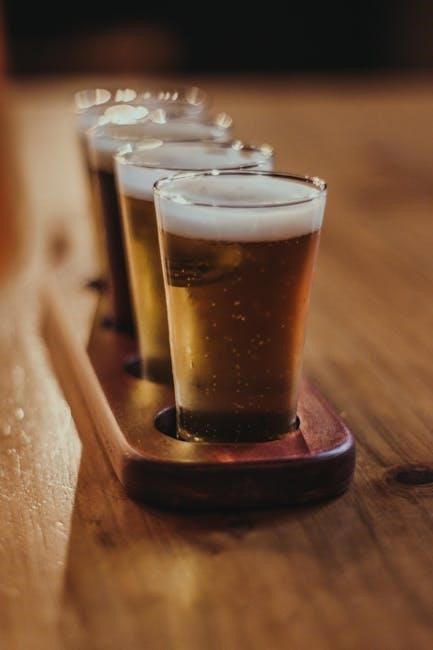
The type of malt used profoundly influences the beer’s body and mouthfeel. Crystal malts add sweetness and body, while roasted malts contribute dryness and complexity. Brewers carefully select malt combinations to achieve desired flavor profiles, ranging from the crispness of a lager to the richness of a stout. Mastering malt selection is fundamental to crafting exceptional beer, dictating much of the final character.
The Importance of Hops
Hops are the flowers of the hop plant, Humulus lupulus, and contribute significantly to beer’s flavor, aroma, and stability. Beyond bitterness, hops offer a vast spectrum of aromas – floral, citrusy, piney, fruity, and spicy – depending on the variety. These aromatic compounds, derived from essential oils, are crucial for defining a beer’s character, particularly in styles like India Pale Ales (IPAs).
Historically, hops acted as a preservative, inhibiting bacterial growth. Today, while pasteurization and other methods assist, hops still play a role in beer stability. Different hop additions during the brewing process yield varying effects; early additions contribute bitterness, while late additions enhance aroma. Brewers continually experiment with new hop varieties and techniques to create innovative and exciting beer experiences.
Yeast and Fermentation Processes
Yeast is the engine of beer production, responsible for fermentation – the process converting sugars into alcohol and carbon dioxide. Different yeast strains dramatically impact a beer’s final flavor profile. Broadly, yeasts fall into two categories: ale yeasts (Saccharomyces cerevisiae) which ferment at warmer temperatures, producing fruity esters, and lager yeasts (Saccharomyces pastorianus) which ferment cooler, resulting in cleaner, crisper beers.
Fermentation isn’t simply about alcohol production; yeast also creates a multitude of byproducts influencing aroma and mouthfeel. Controlling fermentation temperature and providing proper nutrients are vital for healthy yeast activity. Modern brewing allows for yeast propagation and strain selection, enabling brewers to consistently achieve desired characteristics. Understanding yeast’s role is fundamental to appreciating beer’s complexity.
Major Beer Families & Styles
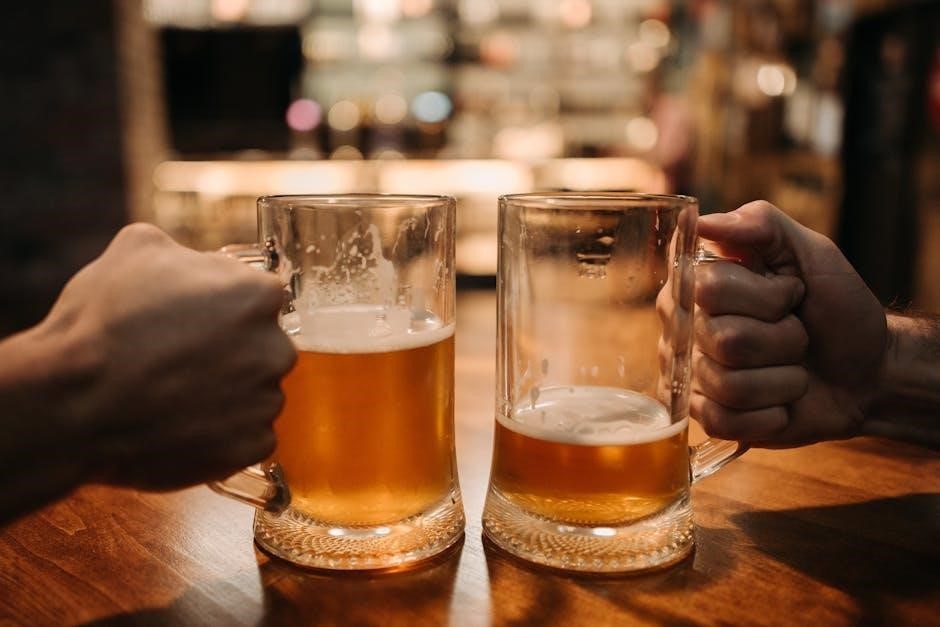
The world of beer is incredibly diverse, categorized into major families and countless styles. Lagers and Ales represent the two primary families, distinguished by fermentation methods and yeast types. Within these, numerous styles have emerged, each with unique characteristics. Pilsners, Bocks, and Dunkels fall under the Lager umbrella, known for their crispness and clean profiles.
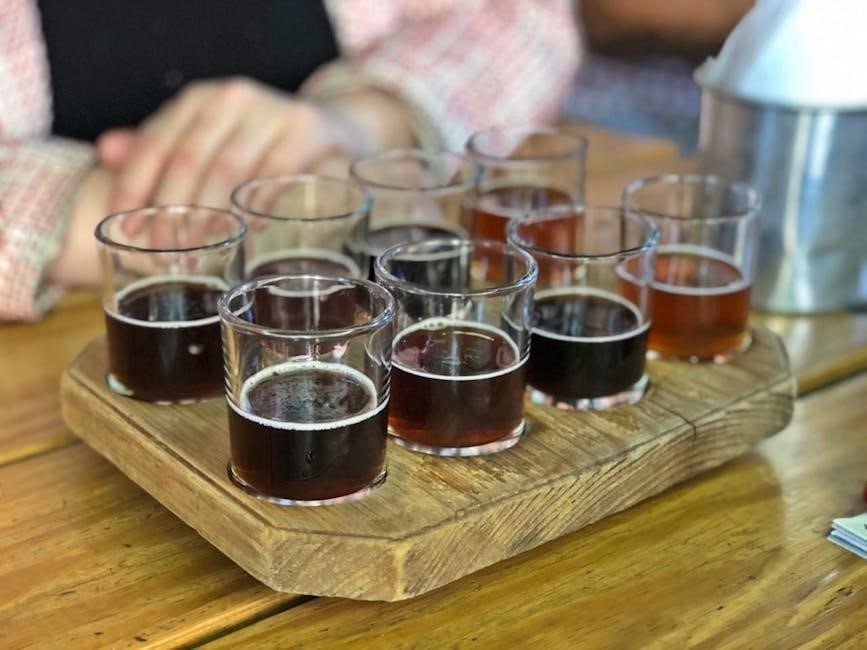
Ales encompass a broader range, including India Pale Ales (IPAs) celebrated for hop aroma, robust Stouts, and refreshing Wheat Beers. Sour beers, gaining popularity, offer tart and complex flavors. The Brewers Association’s style guidelines, used in competitions like the Great American Beer Festival, provide structured definitions for these styles, aiding in description and evaluation. Exploring these families reveals beer’s rich tapestry.
Lagers: Crisp and Refreshing
Lagers are renowned for their clean, crisp character and smooth drinkability. These beers undergo bottom-fermentation with Saccharomyces pastorianus yeast at cooler temperatures, resulting in a refined flavor profile. Popular styles include Pilsner, known for its noble hop aroma and bitterness, and Bock, a stronger, malt-focused lager often enjoyed during colder months. Dunkels, or dark lagers, offer subtle malt complexity.
Historically originating in Central Europe, lagers require extended lagering (cold storage) periods for maturation. This process contributes to their clarity and stability. Modern brewing techniques allow for faster production, but traditional methods still yield exceptional results. Lagers are often considered highly versatile, pairing well with a wide range of foods, making them a staple in beer culture.
Pilsner: The Classic Lager
Pilsner represents the quintessential lager experience, originating in Pilsen, Bohemia (now the Czech Republic) in 1842. This golden-colored beer is characterized by its pronounced hop aroma and bitterness, typically derived from noble hops like Saaz. The malt profile is clean and crisp, providing a balanced foundation for the hop character. Pilsners boast a light to medium body and a remarkably refreshing finish.
Authentic Czech Pilsners adhere to strict brewing traditions, emphasizing quality ingredients and precise fermentation control. German Pilsners (Pils) often exhibit a drier character and more assertive hop presence. Modern interpretations explore variations in hop varieties and malt bills, but the core principles of balance and refreshment remain central. Pilsner is a benchmark for lager brewing, influencing countless styles worldwide.
Bock: Strong and Malty
Bock beers are traditionally strong, malty lagers originating in Einbeck, Germany. These beers showcase a rich, toasty malt character, often with notes of caramel and dark fruit. Hop presence is typically restrained, providing balance without overpowering the malt flavors. Bock beers generally exhibit a full body and a warming alcohol presence, making them ideal for cooler weather enjoyment.
Several variations exist within the Bock family. Traditional Bock (often simply called “Bock”) is a dark, malty lager. Doppelbock (“double bock”) is even stronger and richer, frequently displaying notes of bread crust and plum. Eisbock is created by freeze-distilling Bock, concentrating flavors and increasing alcohol content. Maibock (or Helles Bock) is a paler, more hop-forward version brewed for springtime. Each style offers a unique expression of malty goodness.
Ales: Diverse and Flavorful
Ales represent a vast and incredibly diverse family of beers, distinguished by their warm fermentation process. This method, utilizing top-fermenting yeast at warmer temperatures, produces a wider range of flavor compounds than lagers. Consequently, ales exhibit a remarkable spectrum of aromas and tastes, from fruity esters and spicy phenols to complex hop profiles.
The ale family encompasses numerous styles, including Pale Ales, IPAs, Stouts, Porters, Wheat Beers, and Sours. Each style boasts unique characteristics, influenced by ingredients, fermentation techniques, and regional traditions; Ales are often more approachable for new beer drinkers due to their pronounced flavors and aromas. The craft brewing revolution has largely been driven by innovation within the ale category, constantly pushing boundaries and exploring new possibilities.
India Pale Ale (IPA): Hoppy and Aromatic
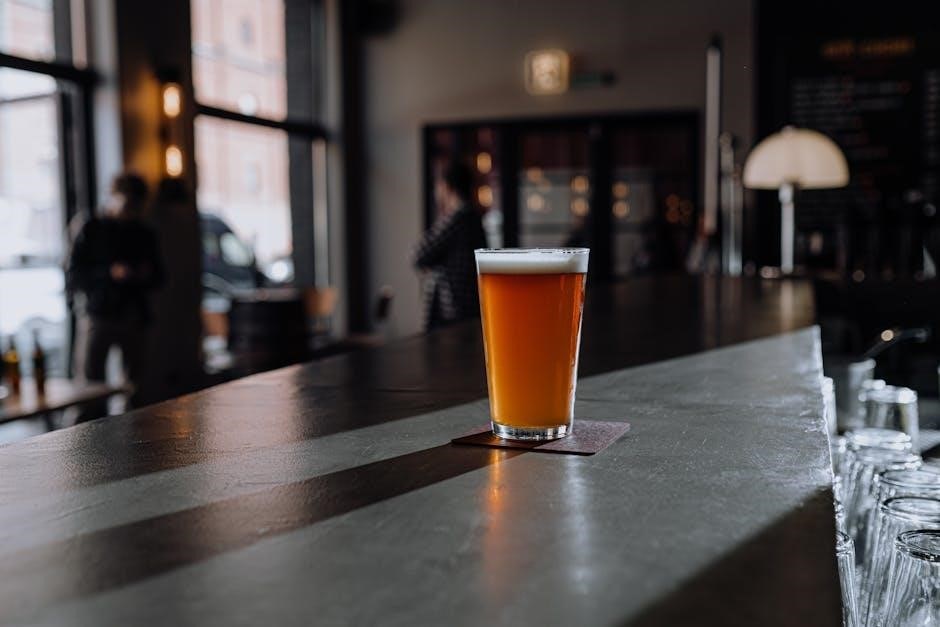
India Pale Ale (IPA) stands as a cornerstone of the modern craft beer movement, celebrated for its bold hop character and aromatic complexity. Originally brewed in England with extra hops to survive the long sea voyage to India during the British Empire, IPAs have evolved dramatically. Today’s IPAs showcase a diverse range of hop varieties, contributing flavors and aromas of citrus, pine, tropical fruit, and floral notes.
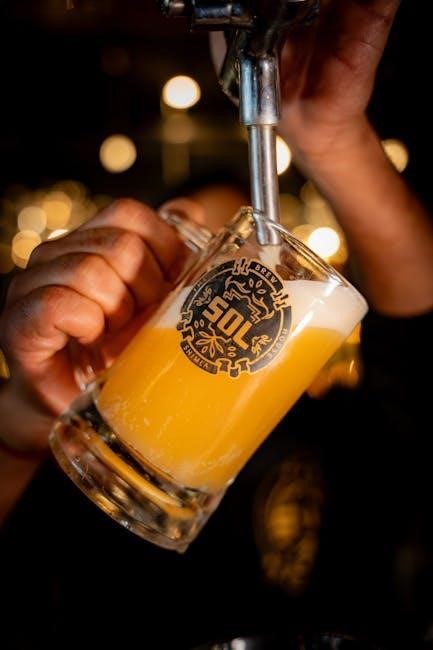
Numerous IPA substyles exist, including West Coast IPA (bitter and dry), East Coast IPA (juicy and hazy), Black IPA (dark malt character), and Double/Imperial IPA (high ABV and intense hop flavor). The “haze craze” demonstrates ongoing innovation within the IPA category. Brewers continually experiment with new hop combinations and brewing techniques, solidifying IPA’s position as a leading style.
Stout: Dark and Robust
Stout beers are renowned for their dark color, rich flavors, and full-bodied character, stemming from the use of roasted malts. Historically originating from London porters, stouts have diversified into a wide array of styles. Dry Stouts, like Irish Stout, offer a crisp, roasty profile, while Oatmeal Stouts provide a smooth, velvety texture. Milk Stouts incorporate lactose, adding sweetness and body.
Imperial Stouts are high-ABV, intensely flavored versions, often exhibiting notes of chocolate, coffee, and dried fruit. Stout is a popular base for experimentation, with brewers adding adjuncts like vanilla, spices, and even wood aging to create unique variations. This versatile style continues to captivate beer enthusiasts with its depth and complexity, remaining a staple in the craft brewing world.
Wheat Beer: Light and Fruity
Wheat beers are celebrated for their refreshing character and distinctive flavors, often showcasing fruity and spicy notes. A significant portion of the grain bill consists of wheat, contributing to a lighter body and increased foam retention. German Hefeweizens are a prime example, characterized by banana and clove esters produced during fermentation. Belgian Witbiers incorporate coriander and orange peel, lending a citrusy and spicy aroma.
American Wheat beers tend to be cleaner and more neutral, allowing the wheat character to shine through. These styles are generally highly sessionable, making them perfect for warm weather enjoyment. Wheat beers pair exceptionally well with salads, seafood, and spicy cuisine, offering a delightful contrast to bolder flavors. Their versatility and approachable nature make them a favorite among casual beer drinkers.
Sour Beers: Tart and Complex
Sour beers represent a fascinating and increasingly popular category, distinguished by their intentionally acidic profiles. Unlike accidental souring, these beers are deliberately crafted using various techniques, including spontaneous fermentation with wild yeasts like Brettanomyces, or the addition of lactic acid bacteria. Lambics, originating from Belgium, are a classic example of spontaneously fermented sour beers, often aged for several years in oak barrels.
Gueuze is a blend of young and old Lambics, undergoing secondary fermentation in the bottle. American brewers are experimenting with fruiting sour beers, adding fruits like raspberries or peaches to enhance complexity. These beers offer a unique tasting experience, ranging from mildly tart to intensely sour, and pair wonderfully with cheeses, charcuterie, and even desserts.
American Regional Styles
While Europe boasts centuries of brewing tradition, the United States has cultivated its own distinct regional beer styles, reflecting local ingredients and preferences; These styles demonstrate American brewers’ innovative spirit and willingness to experiment. The West Coast IPA, known for its assertive hop bitterness and aroma, is a prime example, showcasing citrus and pine notes.
New England IPAs (NEIPAs) emerged as a counterpoint, emphasizing juicy fruit flavors and a hazy appearance. Black IPAs, combining IPA hop character with dark malt flavors, offer a unique experience. Furthermore, American craft brewers are reviving and reinterpreting historical styles, creating modern takes on classic recipes. These regional variations contribute to the diverse and dynamic American beer landscape.

Craft Lager Variations
Beyond the traditional macro-produced lagers, a wave of craft breweries are reimagining this often-underappreciated style. These variations demonstrate a commitment to quality ingredients and precise brewing techniques, resulting in lagers with enhanced flavor and complexity. American craft lagers often showcase unique hop profiles, moving beyond the noble hops traditionally used in European lagers.
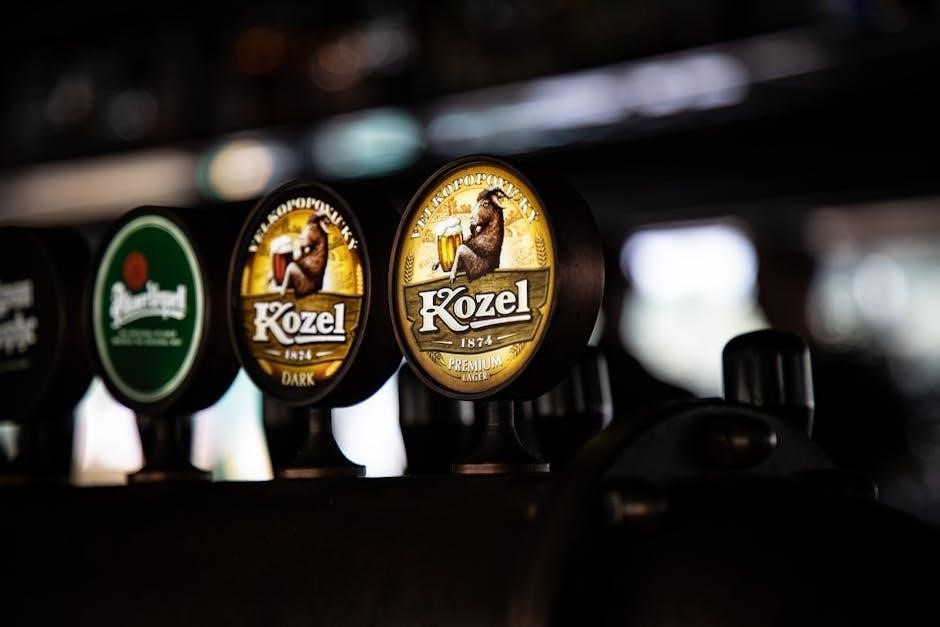
Dark lagers, like Dunkels and Schwarzbiers, offer rich malt flavors and smooth finishes. Bohemian-style lagers, known as Czech Pilsners, emphasize Saaz hops and a soft, rounded bitterness. Furthermore, brewers are experimenting with fermentation temperatures and aging processes to create truly distinctive lagers. This resurgence of craft lagers proves that this style is capable of far more than many realize, offering a refreshing alternative to heavier ales.
American Pale Ale
American Pale Ale (APA) represents a pivotal moment in the craft beer revolution, born from brewers seeking to recreate the flavors of English Pale Ales with readily available American hops; This resulted in a distinctly American character – brighter, more citrusy, and often showcasing notes of pine and grapefruit. APAs typically exhibit a moderate malt backbone, providing balance to the assertive hop presence.
Compared to its IPA cousin, the APA generally has a lower alcohol content and a more restrained bitterness, making it exceptionally approachable. Color ranges from amber to copper, and the aroma is dominated by American hop varieties. It’s a versatile style, pairing well with a wide range of foods, and serves as a fantastic entry point for those new to craft beer exploration.
The Beer Judge Certification Program (BJCP) Guidelines
The Beer Judge Certification Program (BJCP) is a cornerstone for both brewers and enthusiasts seeking a standardized understanding of beer styles. Its detailed style guidelines provide structured definitions, outlining characteristics like aroma, appearance, flavor, mouthfeel, and overall impression for countless beer varieties. These aren’t rigid rules, but rather benchmarks for evaluation and consistency.
BJCP guidelines are crucial for beer competitions, ensuring fair judging based on established criteria. They also assist brewers in refining their recipes and understanding how their creations fit within established categories. A “beer style” as defined by the BJCP, represents a historical origin, often tied to a specific region or city. Utilizing these guidelines fosters a common language and deeper appreciation for the nuances within the world of beer.
Evaluating Beer: Tasting and Aroma
Truly appreciating beer extends beyond simply drinking it; it involves a deliberate evaluation of its sensory qualities. Begin with the aroma – what scents rise from the glass? Is it floral, fruity, spicy, or malty? Next, assess the appearance: color, clarity, and head retention all offer clues.
The taste is, of course, paramount. Consider the initial impression, the mid-palate flavors, and the finish. Is it bitter, sweet, sour, or balanced? Pay attention to the mouthfeel – is it creamy, thin, carbonated, or astringent? These elements, guided by resources like the BJCP, contribute to a comprehensive assessment. Developing your palate takes practice, but unlocks a deeper understanding and enjoyment of diverse beer styles.
Food and Beer Pairing Guide
Elevate your dining experience by thoughtfully pairing beer with food! The goal is to create harmony, where the beer complements the dish and vice versa. Lighter beers, like Pilsners and Wheat Beers, often pair well with salads, seafood, and spicy cuisine, cutting through richness.
As flavors intensify, so should the beer. IPAs stand up to grilled meats and bold cheeses, while Stouts and Porters complement chocolate desserts and roasted dishes. Considering flavor profiles – matching similar flavors or contrasting them for balance – is key. Resources like CraftBeer.com offer detailed suggestions, but experimentation is encouraged to discover your own perfect pairings, enhancing both the meal and the brew.
The Latest Trends in the Brewing Industry
The brewing world is constantly evolving! Currently, a significant trend involves exploring innovative ingredients and techniques, pushing beyond traditional styles. Non-alcoholic beer is experiencing substantial growth, appealing to a wider audience seeking mindful consumption. The “haze craze,” while established, continues to influence brewing, with brewers refining New England IPAs.
Furthermore, the industry is seeing an increase in regional and hyperlocal brewing, emphasizing unique, locally-sourced ingredients. The Brewers Association actively tracks these shifts, adding new medal categories to competitions like the Great American Beer Festival to reflect emerging styles. Sustainability and eco-friendly practices are also gaining prominence, shaping the future of brewing and consumer preferences.